
How Security Officers Handle Emergency Situations Professionally
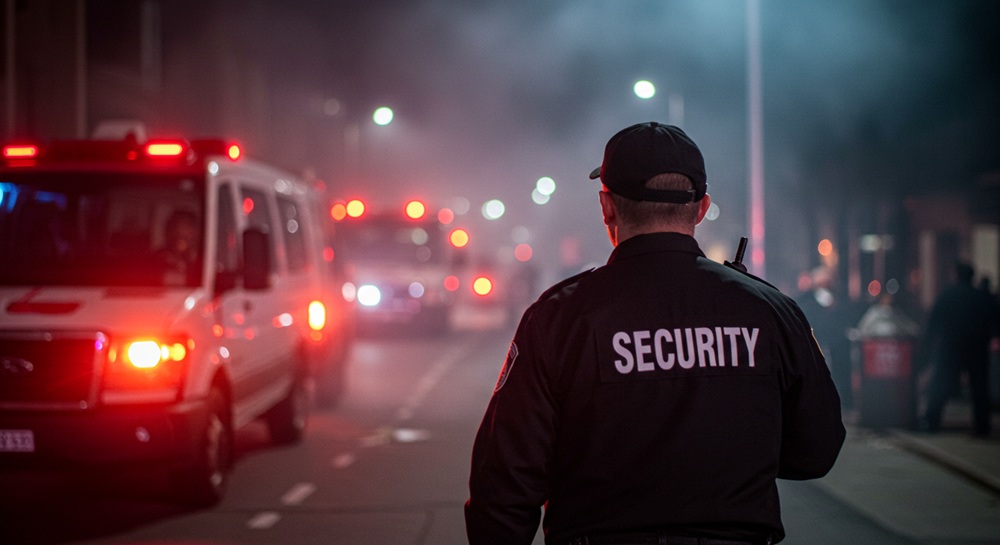
Common Emergency Situations Security Officers Handle
1. Medical Emergencies
Medical incidents can happen anywhere and at any time. Whether it involves an employee, customer, resident, or visitor, security officers are often first on scene before paramedics arrive.
Professional officers are commonly trained in:
- CPR and First Aid
- AED (Automated External Defibrillator) usage
- Emergency medical response protocols
- Incident reporting
- Crowd management during emergencies
When responding to a medical emergency, officers typically:
- Assess the situation
- Contact emergency medical services
- Provide immediate assistance if trained
- Secure the area
- Direct paramedics to the location
- Maintain calm among bystanders
Quick response times can make a major difference in life-threatening situations.
2. Fire and Smoke Emergencies
Fires are among the most dangerous emergencies any property can face. Security officers play a crucial role in fire prevention, evacuation, and emergency coordination.
Professional security officers are trained to:
- Recognize fire hazards
- Respond to fire alarms
- Assist with evacuations
- Use fire extinguishers when appropriate
- Prevent panic
- Secure evacuation routes
- Coordinate with fire departments
During a fire emergency, officers help ensure occupants exit safely and efficiently while minimizing confusion and chaos.
3. Active Threat and Violence Situations
In situations involving workplace violence, armed threats, or aggressive individuals, trained security officers provide critical protection and rapid response.
Professional officers are trained in:
- Threat assessment
- Conflict de-escalation
- Emergency lockdown procedures
- Communication under pressure
- Crowd control
- Coordinating with law enforcement
Their primary goals include:
- Protecting lives
- Isolating threats
- Assisting evacuations
- Preventing escalation
- Maintaining order until authorities arrive
The presence of highly trained security personnel can significantly improve emergency response outcomes during dangerous incidents.
4. Theft, Burglary, and Criminal Activity
Security officers are often responsible for detecting suspicious behavior and responding immediately to criminal activity.
During these incidents, officers may:
- Monitor surveillance systems
- Conduct property patrols
- Detain suspects when legally appropriate
- Protect evidence
- Contact law enforcement
- Document all activities thoroughly
Professional response procedures help minimize losses while protecting employees, customers, and property.
5. Natural Disasters and Environmental Emergencies
Earthquakes, floods, severe weather, and power outages can create major safety risks for businesses and communities.
Security officers assist by:
- Implementing evacuation plans
- Securing hazardous areas
- Assisting occupants
- Managing traffic flow
- Coordinating emergency communication
- Protecting property during disruptions
Preparedness and organization are essential during environmental emergencies where confusion can quickly escalate.
Key Skills Professional Security Officers Use During Emergencies
Calm Decision-Making Under Pressure
One of the most valuable traits of professional security officers is their ability to remain calm during stressful situations. Panic can spread quickly during emergencies, and security personnel often help stabilize the environment through confident leadership and clear communication.
Strong Communication
Effective communication is critical during emergencies. Officers must communicate with:
- Occupants and visitors
- Property managers
- Law enforcement
- Fire departments
- Medical responders
- Fellow security personnel
Clear instructions can prevent confusion and improve overall safety outcomes.
Situational Awareness
Professional officers continuously monitor their surroundings to identify risks before they escalate into emergencies. Early detection often helps prevent incidents from becoming more severe.
Conflict De-Escalation
Not every emergency requires physical intervention. Many situations can be controlled through verbal communication, professionalism, and de-escalation techniques.
This is especially important in:
- Workplace disputes
- Trespassing incidents
- Customer conflicts
- Public disturbances
Emergency Preparedness Training
Professional security companies invest heavily in ongoing training to ensure officers are prepared for real-world emergencies.
Training may include:
- Emergency response planning
- Fire safety
- CPR and First Aid
- Crisis management
- Legal compliance
- Evacuation procedures
- Report writing
- Defensive tactics
Continuous training ensures officers remain prepared for evolving security threats.
The Importance of Emergency Response Planning
Even the best security officers need a structured emergency response plan. Professional security companies work closely with clients to develop customized emergency procedures based on the property type, industry, and potential risks.
An effective emergency response plan typically includes:
- Risk assessments
- Evacuation procedures
- Communication protocols
- Emergency contact lists
- Incident reporting systems
- Access control procedures
- Coordination with local authorities
Preparation reduces response time and improves overall safety during emergencies.
How Professional Security Services Protect Businesses
Businesses that invest in trained security officers benefit from:
Faster Emergency Response
On-site security personnel can react immediately before police, firefighters, or paramedics arrive.
Reduced Liability Risks
Professional security procedures help businesses maintain compliance and reduce potential legal exposure.
Increased Employee and Customer Safety
A visible security presence helps people feel safer and more secure during emergencies.
Crime Prevention
Trained officers help deter criminal activity before incidents occur.
Business Continuity
Effective emergency response minimizes operational disruptions and financial losses.
Why Professionalism Matters in Emergency Situations
Emergency situations require more than physical presence. They demand professionalism, training, discipline, and sound judgment.
Professional security officers understand how to:
- Follow legal procedures
- Protect human life
- Maintain professionalism under pressure
- Communicate clearly
- Preserve evidence
- Coordinate efficiently with first responders
Choosing a professional security company ensures your property is protected by individuals trained to respond effectively when emergencies occur.
Partner With a Professional Security Team
At Pentonium Guards, we provide highly trained security professionals prepared to respond to emergencies with confidence, professionalism, and efficiency. Our officers are committed to protecting people, property, and operations through proactive security strategies and rapid emergency response.
Whether you need security for commercial properties, construction sites, residential communities, retail centers, events, or industrial facilities, our team is ready to deliver dependable protection tailored to your needs.
Conclusion
Emergency situations can happen without warning, and the quality of the response often determines the outcome. Professional security officers play a vital role in protecting lives, maintaining order, reducing risks, and supporting emergency responders during critical incidents.
By investing in trained security personnel and comprehensive emergency preparedness, businesses and property owners can create safer environments and respond more effectively when emergencies arise.
#SecurityOfficers #EmergencyResponse #ProfessionalSecurity #SecurityGuards #PrivateSecurity #EmergencyPreparedness #CommercialSecurity #ConstructionSiteSecurity #SecurityServices #RiskManagement #FireSafety #WorkplaceSafety #SecurityPatrol #CrimePrevention #SecurityCompany #BusinessSecurity #SafetyAndSecurity #EmergencyManagement #SecurityTraining #PentoniumGuards