
Why Physical Security Still Matters in an AI and Technology-Driven World The Essential Role of Professional Security Services in Modern Risk Management
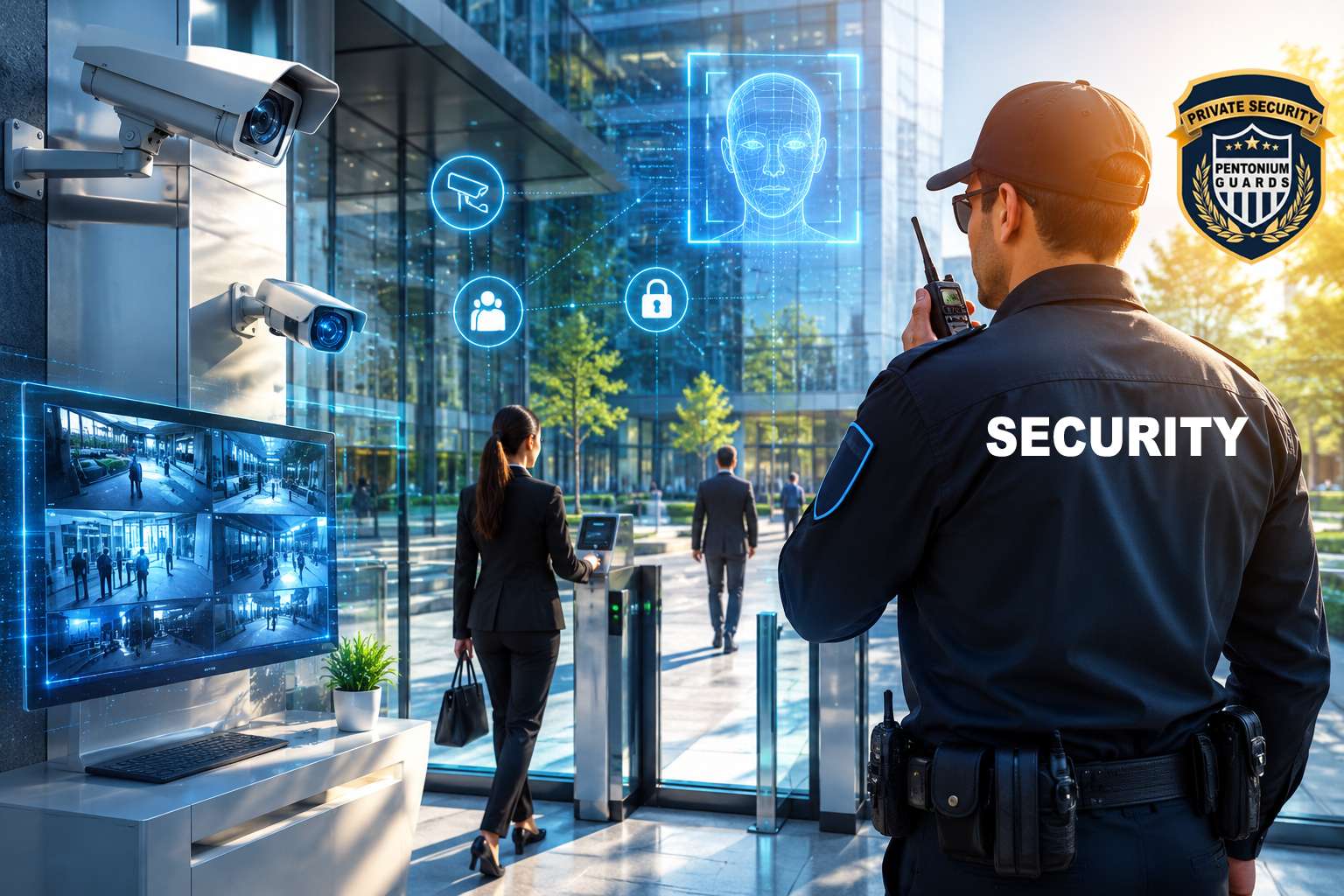
Why Physical Security Still Matters in an AI and Technology-Driven World
The Essential Role of Professional Security Services in Modern Risk Management
Introduction
Over the past decade, technological advancements have transformed nearly every industry, and the security sector is no exception. Artificial Intelligence (AI), smart surveillance systems, biometric access control, drones, and automated monitoring platforms are becoming increasingly common across businesses, residential communities, construction sites, warehouses, and public venues. Many organizations are investing heavily in these technologies to strengthen security, improve efficiency, and reduce operational risks.
As technology becomes more sophisticated, a common question arises: Will technology eventually replace security guards?
The simple answer is no.
While technology has undoubtedly enhanced security operations, it cannot fully replace the value of trained security professionals. Technology can monitor, detect, record, and analyze, but it cannot replicate human judgment, adaptability, communication skills, and real-time decision-making. The most successful security programs today combine advanced technology with highly trained security personnel to create a comprehensive and effective protection strategy.
In today's rapidly evolving threat landscape, businesses face a wide range of challenges, including theft, vandalism, workplace violence, unauthorized access, cyber-physical threats, and emergency situations. Addressing these risks requires more than cameras and alarms. It requires experienced security professionals capable of assessing situations, interacting with people, and responding appropriately when incidents occur.
This article explores why physical security remains essential in an AI-driven world and why organizations continue to rely on professional security companies to protect their people, assets, and operations.
The Evolution of Security Technology
Security technology has made remarkable progress in recent years. Organizations now have access to sophisticated tools that were once available only to governments and large corporations.
Modern security technologies include:
- Artificial Intelligence surveillance systems
- Facial recognition software
- Access control systems
- Motion detection sensors
- Smart alarm systems
- Remote monitoring platforms
- Automated incident reporting systems
- Drone surveillance
- License plate recognition technology
These tools provide valuable benefits.
Security cameras can monitor multiple areas simultaneously. Access control systems can restrict entry to authorized personnel. AI-powered software can identify suspicious behavior and generate alerts. Remote monitoring allows security teams to oversee operations from virtually anywhere.
Technology has significantly improved situational awareness and operational efficiency.
However, despite these capabilities, technology alone cannot provide complete security.
Every security system eventually depends on human intervention.
When a camera identifies suspicious activity, someone must determine whether the threat is genuine. When an alarm is triggered, someone must investigate. When visitors arrive, someone must verify identities and manage access.
Technology supports security operations, but people remain at the center of effective security management.
The Limitations of Technology
Many organizations mistakenly believe that installing advanced security equipment automatically guarantees safety. While technology enhances security, it has important limitations that businesses must understand.
Technology Cannot Interpret Every Situation
Artificial Intelligence relies on patterns and data.
Human behavior, however, is often unpredictable.
For example, a surveillance camera may detect a gathering of people and classify it as suspicious. In reality, it may simply be employees discussing a work-related issue.
Similarly, AI systems may generate false alarms due to environmental conditions, unusual movements, or technical errors.
Human judgment is required to assess context and determine the appropriate response.
Professional security officers can quickly evaluate situations, distinguish genuine threats from routine activities, and make informed decisions.
Systems Can Fail
No technology is completely immune to failure.
Security systems can experience:
- Power outages
- Network disruptions
- Software errors
- Hardware malfunctions
- Cyberattacks
- Equipment damage
When these issues occur, organizations need trained security personnel capable of maintaining security operations until systems are restored.
A professional security officer remains effective regardless of technological disruptions.
Technology Cannot Build Relationships
Effective security involves more than detecting threats.
Security personnel regularly interact with:
- Employees
- Customers
- Visitors
- Contractors
- Residents
- Event attendees
These interactions help build trust, improve communication, and create a safer environment.
Technology cannot provide reassurance, answer questions, resolve disputes, or assist individuals during emergencies.
Human interaction remains one of the most valuable aspects of professional security services.
Why Human Presence Remains a Powerful Deterrent
One of the greatest advantages of physical security is visibility.
Criminals often seek opportunities where risks are low and detection is unlikely.
The presence of uniformed security personnel sends a clear message that security measures are active and enforcement is present.
Studies and industry experience consistently demonstrate that visible security significantly reduces incidents involving:
- Theft
- Vandalism
- Trespassing
- Unauthorized access
- Property damage
- Workplace misconduct
Unlike cameras, which passively observe events, security officers actively influence behavior.
Potential offenders are far less likely to engage in criminal activity when they know trained professionals are monitoring the environment and capable of responding immediately.
This deterrent effect alone can prevent significant losses and disruptions.
The Human Advantage During Emergencies
Emergencies are unpredictable and often require immediate action.
Examples include:
- Medical incidents
- Fires
- Natural disasters
- Workplace violence
- Suspicious packages
- Security breaches
- Crowd disturbances
During these situations, technology can provide alerts and information, but it cannot coordinate evacuations, calm individuals, provide first aid, or communicate effectively with emergency responders.
Professional security officers are trained to:
- Assess rapidly changing situations
- Follow emergency response procedures
- Coordinate evacuations
- Control access points
- Assist injured individuals
- Communicate with law enforcement and emergency services
Their ability to adapt and make decisions under pressure is critical for minimizing risks and protecting lives.
Organizations that rely solely on technology often discover during emergencies that human response capabilities are irreplaceable.
Security Guards as Customer Service Ambassadors
In many environments, security officers serve as the first point of contact for visitors and customers.
This is particularly true in:
- Corporate offices
- Residential communities
- Hotels
- Hospitals
- Shopping centers
- Educational institutions
- Event venues
Today's security professionals perform much more than traditional guarding duties.
They frequently assist with:
- Visitor management
- Customer assistance
- Directional support
- Access control
- Information services
- Conflict resolution
Their professionalism directly influences how people perceive an organization.
A well-trained security officer can create a welcoming atmosphere while maintaining strong security standards.
Technology cannot replace this important human connection.
Industry-Specific Security Challenges
Different industries face unique security risks that require tailored solutions.
Construction Sites
Construction sites are particularly vulnerable to:
- Equipment theft
- Material theft
- Trespassing
- Vandalism
Security officers conduct patrols, monitor access points, and identify suspicious activity before losses occur.
Corporate Facilities
Corporate environments require:
- Visitor screening
- Employee protection
- Access control management
- Emergency response coordination
Security professionals help maintain a safe and productive workplace.
Residential Communities
Residents expect safety and peace of mind.
Security personnel monitor entrances, verify visitors, conduct patrols, and respond to resident concerns.
Events and Public Gatherings
Large gatherings create unique challenges related to:
- Crowd management
- Access control
- Emergency response
- Public safety
Professional event security teams play a vital role in ensuring successful and safe events.
Warehouses and Logistics Facilities
Warehouses often store high-value inventory and equipment.
Security officers help prevent theft, monitor deliveries, verify shipments, and maintain secure operations.
The Future: Technology and Security Personnel Working Together
The future of security is not a competition between technology and people.
Instead, it is a partnership.
Organizations are increasingly adopting integrated security models where technology enhances the effectiveness of security personnel.
Examples include:
AI-Assisted Surveillance
Artificial Intelligence identifies unusual activity and immediately alerts on-site security officers.
Smart Access Control
Technology manages routine access requests while security personnel address exceptions and investigate suspicious behavior.
Mobile Reporting Systems
Security officers use digital platforms to document incidents, conduct inspections, and communicate with management in real time.
Remote Monitoring Support
Control centers provide additional oversight while on-site personnel handle physical responses.
This combination maximizes efficiency while maintaining the human capabilities necessary for effective security management.
Choosing the Right Security Partner
Selecting the right security provider is one of the most important decisions an organization can make.
A professional security company should offer:
- Well-trained personnel
- Comprehensive supervision
- Industry-specific expertise
- Strong communication practices
- Emergency response capabilities
- Technology integration solutions
- Commitment to professionalism
Organizations should seek security partners that understand both traditional guarding services and modern security technologies.
The best providers recognize that effective security requires a balanced approach that combines people, processes, and technology.
Conclusion
Technology continues to reshape the security industry, offering powerful tools that improve monitoring, detection, and reporting capabilities. Artificial Intelligence, smart surveillance systems, and automated solutions are becoming essential components of modern security programs.
However, technology alone cannot provide complete protection.
Professional security personnel remain indispensable because they offer something technology cannot: human judgment, adaptability, communication, leadership, and immediate response capabilities.
The organizations best prepared for today's security challenges are those that embrace both innovation and human expertise.
As security threats continue to evolve, the future belongs to integrated security solutions where advanced technology supports highly trained professionals in protecting people, property, and operations.
Physical security remains not only relevant but essential in an AI-driven world. The strongest security strategy is not technology replacing people—it is technology empowering people to perform their roles more effectively than ever before.
YOUR SAFETY ,OUR PRIORITY.
#PrivateSecurity #SecurityIndustry #SecurityGuards #PhysicalSecurity #CorporateSecurity #EventSecurity #ConstructionSecurity #RiskManagement #BusinessSecurity #WorkplaceSafety #SecurityServices #FacilityProtection #ProfessionalSecurity #ModernSecurity #PentoniumGuards.